Good watering really feels invisible. Lawn remains also, plant beds prosper, and the water costs sits where it should. When a system unclothes song, the indicators are very easy to miss at first: a spot of yellow near the driveway, a soggy edge by the fence, a pale hiss at a head that made use of to be peaceful. By the time the yard starts arguing back, lost water and lost money have actually been dripping away for weeks. Preventative lawn sprinkler upkeep is just how you break that cycle. It is much less concerning fixing what is broken and much more about maintaining a working system straightened with the website, the season, and just how plants actually make use of water.
I have actually walked numerous residential or commercial properties after sunrise with a flashlight and a notepad. The pattern repeats. A lot of property owners and residential or commercial property managers do not need a new system. They require a knowledgeable audit, a few targeted parts, and a routine that shows fact as opposed to the default program left by the installer years back. The return on those little initiatives is prompt. Water usage decreases, completely dry areas even out, surprises vanish from the energy costs, and the system grows quieter because it is no longer battling itself.
Why little problems cost huge money
Irrigation wastes money in 3 typical ways: undetected leaks, bad circulation, and negative timing. Leakages conceal in shutoff boxes, at threaded installations, or in lateral lines eaten by origins. They do not constantly make a puddle. A fifty percent gallon per min seep that runs 3 times a week for 15 minutes amounts to about 90 gallons a week, or greater than 4,500 gallons a year per leak. Multiply that by a couple of zones and a long season and it matters.
Poor distribution is trickier. If an area waters erratically, individuals crank up minutes to please the driest spot. The remainder of the zone gets drowned. The rapid solution conceals the cause and doubles the cost. Sprays that do not match precipitation rates, heads set as well low, or mismatched arcs all chip away at distribution uniformity. I have actually seen two identical areas where one utilized 30 percent much more water to attain the exact same lawn shade simply due to mismatched nozzles and a 10 psi difference at the head.
Timing is the quiet thief. Programs set for July run in April. Timetables disregard shade under a growing oak. Run days ride through a rainy week since the controller can not see the weather. Watering the correct amount at the wrong time is still waste.
Start with pressure, not the controller
People love to jump into the controller and modify runtimes. That is like adding air to your tires while you have a nail in the walk. System stress sets the phase for everything else. Too high, and sprays atomize right into haze that drops off in the least wind. Also low, and heads toss short with rough patterns.
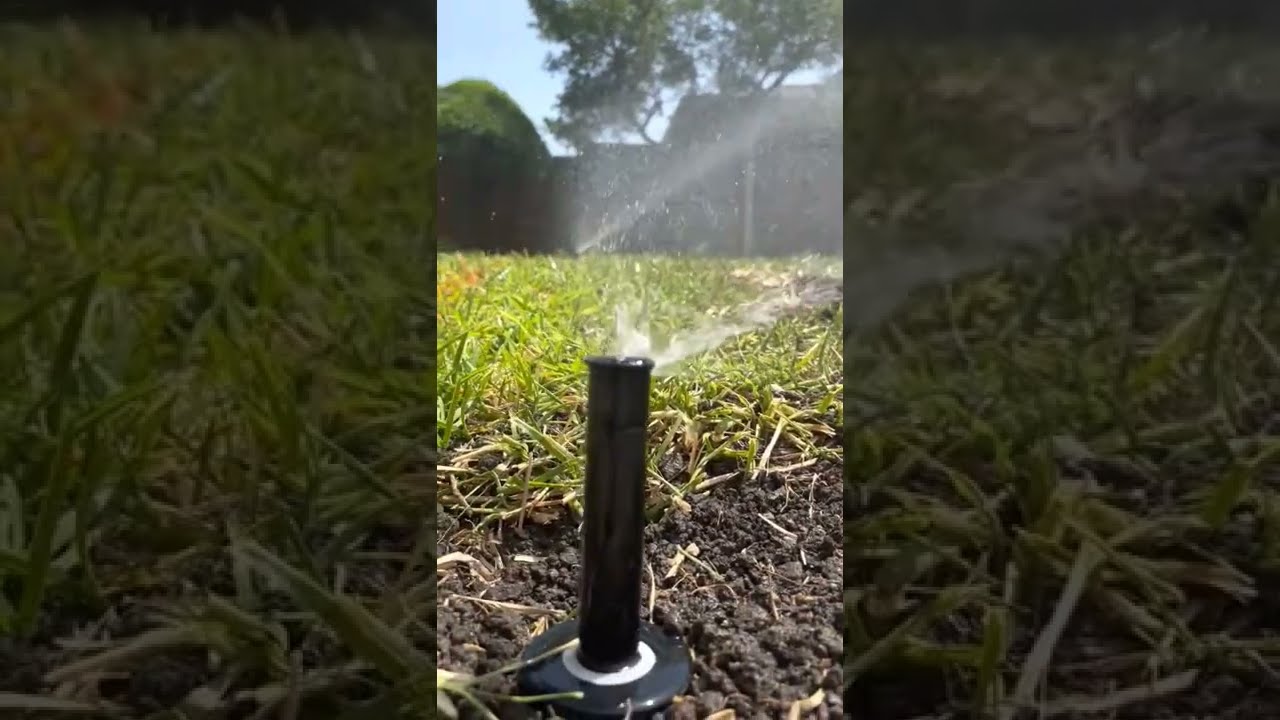
A quick field check beats a hunch. A pressure gauge on a hose bib works, however it only shows fixed stress. What you respect is vibrant pressure at the head while the area is running. Thread a gauge onto a riser, run the zone, and review it. For common repaired sprays, aim for 30 psi at the head. For rotors, 45 psi is a great target. Several spray bodies now consist of integrated pressure guideline. If you see fogging or hear a hiss, you possibly have extreme pressure at the nozzle. In those cases, switching to push controling spray bodies often pays for itself in a solitary season.
On a little commercial site last summertime, we replaced 38 standard spray bodies with controlled versions and included a 40 psi regulatory authority after the backflow. We did not transform the routine. Water usage dropped 18 percent over the next 3 billing cycles. Dry places vanished since throw ranges returned to spec. It cost much less than a mid-range wise controller.
The silent repairs that relocate the needle
Some of the best cost savings originate from tiny, boring jobs. Raising buried heads conserves water due to the fact that the pattern removes grass and hardscape, eliminating reduced arcs that under-throw. Dealing with a tilted head quits overspray right into the sidewalk. Replacing a clogged nozzle recovers matched rainfall across an area. Actual sprinkler repair is not glamorous. It is systematic, and it works.
Threaded connections are entitled to unique attention. Cover tape easily, tighten up with restriction, and use thread sealant where resonance can loosen fittings. I have opened up valve boxes where a 3 buck coupling hemorrhaged much more water than a long side leak. It had been doing it for years.
Missing check valves inside heads are one more quiet leakage. Without a check valve, nadirs in the zone drainpipe in between runs. That is water you already paid to pressurize, now flowing under the pathway. Heads with important check valves stop that drain down and cut the post-run puddles that bring in mosquitoes and discolor concrete.
Calibrate runtime to precipitation, not habit
Most timetables are developed from practice. Ten minutes on sprays, thirty on blades. Properly is to match runtime to rainfall price and plant water requirement. If your nozzle puts down 1.5 inches per hour and your grass requires 1 inch weekly in peak summertime, after that the mathematics says about 40 minutes a week for that area, burglarized numerous cycles if runoff endangers. In spring, that may drop by half, and in autumn by more.
Matched precipitation issues. Blended nozzles in a zone do not use water uniformly. A spray head fitted with a high performance rotating nozzle will usually apply much less water per min than a common set spray. If you mix them on one valve, runtime that pleases the slow nozzle floodings the fast one. Maintain nozzle family members consistent within an area, and only mix when you have no selection, after that make up it with tailored runtimes or split that location into its very own shutoff throughout future sprinkler installment upgrades.
Smart controllers help, yet they still need truthful inputs. Program nozzle type, root deepness, incline, sun exposure, and soil kind. Then confirm the outcome on the grass. If a controller determines that shaded fescue on clay must get 14 mins twice a week yet the yard begins to stress by day 3, change the frequency. Smart does not indicate hands off. It suggests the controller comes to be a quick partner in your field tests.
A seasonal rhythm that avoids surprises
Irrigation is seasonal naturally, also in areas with light winters months. Springtime start-up is greater than transforming water on. It is your chance to reset after the off period, catch winter months damages, and rebuild a timetable around existing plant needs. Midseason checks combat drift as days warm, controller batteries stop working, and mower blades bump risers. Autumn closure, also without a complete winterization, lowers breaks during freeze occasions and cuts off waste when evapotranspiration drops.
Here is a short seasonal rhythm that keeps most systems in shape without transforming maintenance into a second job.
- Spring startup fundamentals: open the major valve slowly to prevent water hammer, test each zone, raising or straighten heads, replace blocked or mismatched nozzles, reconstruct dripping shutoffs, validate heartburn operation. Early summertime song: step pressure at depictive heads, proper fogging with controlled bodies, alter runtimes by area based on plant response, verify rain sensing unit or weather integration works. Midseason audit: watch each zone from beginning to end, mark low insurance coverage with flags, repair overspray onto hardscape, look for wet valve boxes that indicate tiny leaks, flush drip filters. Late summertime changes: increase cycle and saturate for inclines and clay, shorten specific cycles to reduce runoff, verify heads ride above peak grass elevation after summer season growth. Fall and pre-freeze: step down runtimes as temperature levels decline, close seclusion valves if frost is anticipated, drainpipe backflow where needed, schedule complete winterization for difficult freezes.
Each of those bullets indicate simple area work. Doing them before the system grumbles is why preventative sprinkler upkeep saves both water and the Saturday afternoons you would rather spend away from sloppy valve boxes.
The right way to audit a zone
Watching a zone with objective is various from glancing at a green lawn. Bring flags, a screwdriver, a spare nozzle set, and a stress gauge. Move in a loop. Concentrate on one failure mode at a time so you do not miss out on details. The goal is to leave the area with also coverage at the lowest stress that still meets head specifications, without any noticeable leakages and a timetable that fits the plants.
- Confirm head spacing and arc: heads must throw to the following head, not almost to it. Adjust arcs to avoid walls and pathways while still meeting head to head coverage. Set height and plumb: lift hidden or low heads till the top rests simply over the turf. Align slanted risers so patterns are symmetrical. Match nozzles: standardize nozzle families within the zone, replace obstructed or used inserts, and confirm matched rainfall across various arcs. Test pressure at the head: install a scale momentarily, run the area, and document dynamic pressure. Include stress managed heads or a zone regulator if readings are high. Inspect for leaks: search for bubbling around risers, damp valve boxes, and sluggish drips at threaded joints. Take care of before you leave the zone.
A disciplined loop like that takes 10 to 20 minutes per area as soon as you have the rhythm. On sites where water prices are high, those mins typically pay for themselves within a month.
Drip where it makes sense, and preserve it like you indicate it
Drip irrigation decreases evaporative losses and targets water where origins in fact live. It is not magic. Trickle requirements filtering, stress reduction, and normal flushing. On retrofit jobs I see clogged emitters and algae ridden filters most of the time. The repair is easy. Install an obtainable, clear-bodied filter on every drip shutoff. Set up a regular monthly flush throughout optimal season. Maintain pressure in between 20 and 30 psi at the emitter line. If a bed shares a shutoff with sprays, different it at the following chance. Different application rates and run times make complex everything.
In a courtyard with combined roses and perennials, we transformed two spray areas to trickle with 0.9 gallon per hour emitters on 18 inch spacing, included a 25 psi regulator and a Y filter, and reduced annual water utilize in that location by about 35 percent. Plant health and wellness enhanced since vegetation stayed completely dry and dirt remained evenly moist. The trick was upkeep. We purged lines at the start of every month and replaced filters two times a season. Disregard either action, and drip transforms brittle and cranky.
Backflow, shutoffs, and the components that choose your weekend
A disregarded heartburn assembly invites both contamination and freeze damage. Examination or at least exercise it annually. If you are in a freeze susceptible location, shield and drain it when temperature levels dip. I have actually fixed way too many fractured bodies in March that fell short since water remained in reduced areas after a cozy spell teased systems back on.
Valves stop working in little ways initially. Diaphragms weep. Solenoids buzz or stick. Sluggish closing produces water hammer that worries installations across the system. When you open up a shutoff box and discover an ant nest, do a full reconstruct with a service set instead of covering signs. Components set you back much less than the phone calls you will certainly get from renters or the weekends you will spend chasing after phantom leaks.
While you are in package, tag wires and photograph the layout. Future you will certainly thanks. Clean up splices. Usage water resistant adapters, not tape. That extra five minutes ends a surprising variety of periodic problems that look like hydraulic problems yet originated from voltage declines and corrosion.
Hardscape sides and wind, both silent thieves
Edges and wind form most of the waste patterns I see. Along driveways and pathways, readjust arcs so water stays on target. If you need to sprinkle near a pathway, take into consideration a strip nozzle with a tight pattern or a narrow-throw rotary nozzle. Do not trust fences or hedges to obstruct drift. In seaside or gusty passages, program for morning begins when wind rates are most affordable. At 10 miles per hour, fine spray drifts feet off course. Rotors and rotating nozzles endure wind better than dealt with sprays at high pressure.
Slopes are their very own puzzle. If water escapes before it soaks in, lower cycle size and include saturate time. For example, as opposed to one 12 minute cycle, attempt 3 4 min cycles with 20 minutes between them. Cycle and soak capitalizes on soil intake prices, particularly on clay. Include check shutoffs at low heads to stop drain down between cycles. Without them, the very first min of every run replenishes the reduced pipes rather than sprinkling the slope.
Soil, origins, and the myth of everyday watering
Plants consume from the root zone, not the surface area. Deeper, much less constant watering builds resistant turf. On loam soil, a healthy grass root could use water 4 to 6 inches down. In summer, that can indicate watering 2 or 3 times a week, not daily. Sand needs much more frequency, clay much less. Shield requirements much less, sun more. Excellent lawn sprinkler maintenance checks out the plants and the dirt account, then composes a timetable around that, not around the schedule page.

A cheap soil probe tells you greater than a spread sheet. Press it in after an area runs. If you only really feel dampness in the top inch, runtime is also short. If water crushes up, it is also long or the soil is compacted. Core oygenation in springtime helps air and water reach origins, which subsequently enables you to extend the period in between waterings. Upkeep is not just mechanical. It is horticultural.
Smart controllers and when to rely on weather data
Weather based controllers are far better than they were a decade earlier. Numerous incorporate with local stations, determine evapotranspiration, and adjust timetables daily. They conserve water when you feed them precise website data and evaluate their decisions in the area. They do not absolve you of upkeep. If heads are low, stress is wrong, or a shutoff weeps, the smartest controller can not cover for that.
Use rain sensing units or regional data to apply actual time cutoffs. A system that avoids a cycle after half an inch of rainfall does much more for cost savings than an excellent nozzle swap that runs whatever the sky does. In areas with microclimates, pick a weather condition station that matches your site conditions. A valley flooring and a west facing incline a mile apart can have different wind and evapotranspiration patterns. If you take care of numerous buildings, do not press a solitary routine to all of them. Duplicate as a starting factor, then tune locally.
When to replace, when to repair
The fork between sprinkler repair and replacement depends upon age, schedule of components, and system layout. If a zone makes use of out-of-date heads with no pressure law and mismatched nozzles, updating the heads and nozzles frequently beats going after small leaks for another period. If lateral lines are brittle PVC from the early 90s with repeated breaks along a root line, a partial re-pipe conserves even more money than wrapping each split. When controllers lose memory during every power spot, a modern-day unit with non-volatile storage space repays in less callbacks.
Sprinkler setup has likewise evolved. Today's gear driven rotors sip water contrasted to the older effect heads and provide far better matched precipitation. High performance rotating nozzles let you extend runtime without drainage, particularly on slopes. Stress regulated bodies minimize misting even when mainline stress changes. When you have several systemic drawbacks, going back to design a small retrofit saves more than exchanging one part at a time.
Dollars, gallons, and what savings actually look like
Savings vary by climate and water rate, yet certain patterns hold. A well performed audit and tune on a common country building with 6 to ten areas usually reduces water use by 10 to 25 percent without visible changes to the landscape. Website specifics drive the rest. Change common sprays with high performance rotary nozzles, and you typically see another 10 to 20 percent, a lot more on gusty sites. Add a climate based controller with an operating rainfall sensing unit, and you can shave another 5 to 15 percent, mainly by avoiding unneeded days.
On a 10 area system that uses 40,000 gallons in a peak summertime, a 20 percent decrease saves 8,000 gallons. At 0.01 to 0.02 dollars per gallon in several municipalities, that is 80 to 160 bucks a month in peak season. Over a 6 month watering season, the mathematics justifies a professional tune and targeted upgrades. In areas with tiered prices, the cost savings can be bigger since reduced use drops you into a less expensive bracket.
Training the people that cut the grass
Many watering issues begin on mowing day. Heads obtain knocked, risers obtain slanted, and shutoff boxes full of clippings. A 5 minute conversation with the crew pays rewards. Ask them to stop watering throughout their check out, to stay clear of driving lawn mowers over apparent heads in soft dirt after rain, and to let you know when they see a geyser or a relentless pool. Leave a little flag bundle where they can get one. If they flag problems instead of driving previous them, you repair problems faster and they spend less time cleansing mud off equipment.
I maintain a habit of texting a simple note on the initial mower day of the month to a couple of crews. Heads on the west bed were low recently. Please expect them today. Crews value that level of regard, and the connection decreases unexpected damage.
Edge cases worth planning for
Reclaimed water supply tarnish concrete and can rust specific steels much faster. Seal links thoroughly, and pick parts ranked for redeemed water. In desert climates, irrigation home windows might be limited by statute. Arrange watering within permitted hours and utilize cycle and soak to function within brief allowed windows. On properties with wells or booster pumps, stagger high draw zones so the pump does not brief cycle or reach cavitation. In frost pockets, low points can ice up while the rest of the system stays safe, so isolate and drain those sections earlier.
If you handle athletic grass, you already recognize circulation and pressure issue even more. A completely dry spot on a soccer goal mouth is not simply an aesthetic concern. Difficult ground adjustments play and injury danger. In those areas, verify circulation uniformity with catch cups a minimum of as soon as a season. That level of roughness hardly ever pays on a small household website, but on fields it does.
Hiring help and what to expect from a pro
A skilled watering contractor must provide greater than parts substitute. Throughout a preventative upkeep visit, ask for a created zone by area record that covers stress readings, nozzle kinds, visible leakages, shutoff conditions, and controller shows. Field photos aid. Great technicians repair simple problems right away and flag capital upgrades with clear expenses and factors. If a professional jumps to a full system substitute without an area audit, get a 2nd opinion.
For home owners comfy with devices, a crossbreed version functions well. Manage the regular checks and generate a pro for stress regulation, shutoff restores, or controller substitutes. This method often balances expense and knowledge, letting you take care of the reduced hanging fruit and reserving intricate sprinkler repair service for somebody that does it daily.
A short tale from a cul de sac
A property owner called about a high water costs and a brownish arc along the driveway. The system was a decade old, ten areas, mainly sprays. The controller ran every other day for 10 mins on all spray zones, thirty on blades, all year. We found vibrant stress over 60 psi at sprays, mismatched nozzles in three areas, and two valves that cried right into soggy boxes. Heads along the driveway sat an inch reduced and https://travisrmda890.evergrovio.com/posts/do-it-yourself-vs-professional-sprinkler-installment-what-you-required-to-take-into-consideration favored the pavement.
We controlled stress at the main to 50 psi, switched 26 spray bodies to push controlled variations, standardized nozzles by zone, elevated and aligned heads, rebuilt both leaky valves, and reprogrammed the controller with seasonal modifications and a practical rain sensing unit. The lawn greened equally within two weeks. The following costs showed a 24 percent decrease. There was nothing heroic because check out. It was upkeep done prior to damage, applied with treatment. That is the point.
The routine that turns cost savings right into the norm
Preventative sprinkler maintenance is a habit, not a job. Solution drift. Plants grow, origins push, winds change, and summer season arrives faster than the routine you meant to readjust. The routine is basic. Stroll the system each period with a plan. Repair what you see. Action what matters, like stress at the head and real plant action. Straighten nozzles within areas. Put check shutoffs and stress policy where they belong. Create schedules fit to plants and soil, not tradition.
Do these things prior to the lawn whines and you will really feel the distinction in the lawn and in the expense. You will certainly hear it as well. A quiet system that throws clean arcs at the appropriate stress is the most effective noise in summer season, barely there, doing its work without dramatization. That is what great sprinkler upkeep acquires you.